indians Together Nurturing Indias's Pluralistic ethos

we are committed to building a cohesive india, where every indian feels secure
Tipu Sultan NASA Painting
Hidden Legacy of Rocket Innovation That Changed History
Introduction to Tipu Sultan NASA Painting
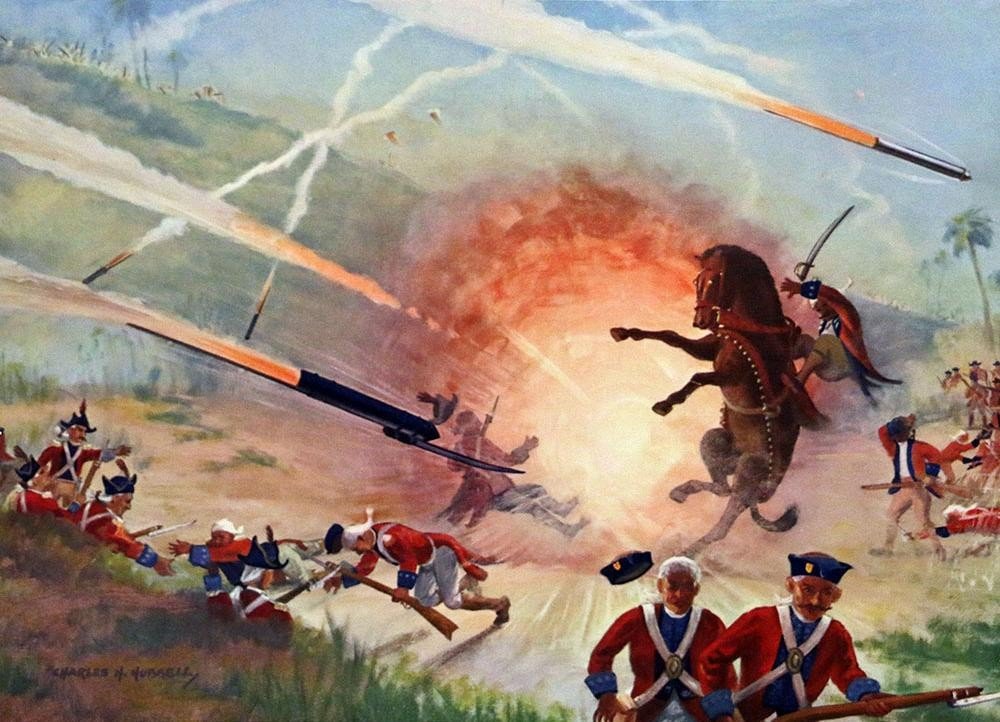
The Tipu Sultan NASA painting stands as a powerful symbol of innovation, history, and recognition. For millions across India, Pakistan, and Bangladesh—once united as a single region—this acknowledgment by NASA brings a sense of pride and validation. It highlights the overlooked contributions of Tipu Sultan to early rocket technology.
Like many others, I have heard about the Tipu Sultan NASA painting, but I had never verified it myself. Being a long-time admirer of Tipu Sultan, I decided to research it further—and what I discovered was both fascinating and deeply meaningful.
Why the Tipu Sultan NASA Painting Is Significant
The Tipu Sultan NASA painting is not merely decorative—it represents a historical truth that connects 18th-century India to modern space exploration.
Scientific Importance
- First use of iron-cased rockets in warfare
- Inspired later European rocket development
- Influenced the evolution of modern rocketry
This recognition by NASA confirms that innovation has always been global—not limited to one region or era.
Why the Tipu Sultan NASA Painting Is Significant
The Tipu Sultan NASA painting is not merely decorative—it represents a historical truth that connects 18th-century India to modern space exploration.
Scientific Importance
- First use of iron-cased rockets in warfare
- Inspired later European rocket development
- Influenced the evolution of modern rocketry
This recognition by NASA confirms that innovation has always been global—not limited to one region or era.
Tipu Sultan’s Rocket Technology and Military Innovation
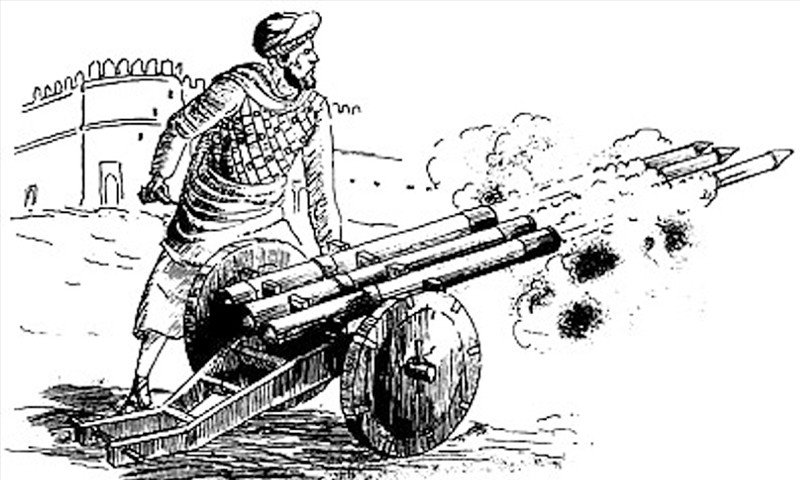
The Tipu Sultan NASA painting reflects real innovations that were far ahead of their time.
Key Innovations
- Iron-cased rockets with extended range
- Organized rocket brigades
- Strategic battlefield deployment
These weapons were effectively used against the British East India Company, making Tipu Sultan one of the earliest pioneers of modern rocketry.
Historical Context: Anglo-Mysore Wars
The painting represents scenes from the Anglo-Mysore Wars—critical conflicts in Indian history.
Key Highlights
- Resistance against British colonial expansion
- Advanced use of military technology
- Strong defense of sovereignty
These wars cemented Tipu Sultan’s reputation as a fierce and innovative leader.
Global Historical Connection: From America to Mysore
The timeline of Tipu Sultan overlaps with George Washington.
After the American Revolutionary War, Charles Cornwallis—who surrendered at Yorktown—later played a key role in conflicts against Tipu Sultan in India.
This fascinating link strengthens the global relevance of the Tipu Sultan NASA painting.
Treaty of Seringapatam and Its Consequences
Following the war, Tipu Sultan faced defeat and signed the Treaty of Seringapatam.
Impact
- Loss of territory
- Heavy indemnities
- Political setbacks
Yet, despite these losses, his technological legacy endured—and is now recognized globally.
A Rare Connection to Tipu Sultan

Around 2010, I visited Bangalore to meet historian Dr. Range Gowda. This visit became one of the most meaningful experiences in my journey of understanding Tipu Sultan.
Dr. Gowda introduced me to historical documents from the Sringeri Matt—one of the four spiritual centers established by Adi Shankara.
These documents revealed a powerful story:
- The Maratha armies had attacked and damaged the temple
- The Shankaracharya sought protection from Tipu Sultan
- Tipu Sultan not only defended the Matt but also donated significant funds for its restoration
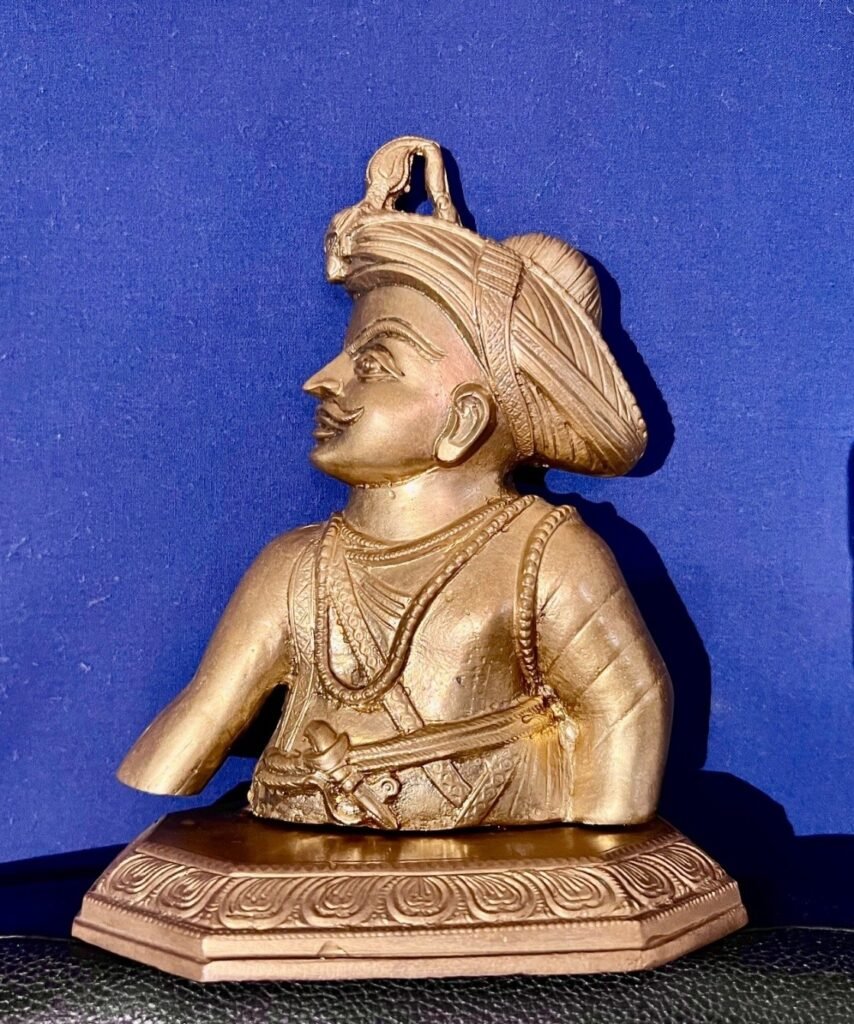
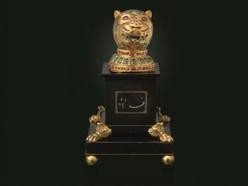
The documentation was originally in Kannada. I had the honor of assisting in translating it into English. As a gesture of appreciation, I was gifted a commemorative brass bust of Tipu Sultan, created for the 200th anniversary of his death—something I proudly keep to this day.
Living Near Tipu Sultan’s Legacy in Yelahanka
My connection to Tipu Sultan’s history goes even deeper.
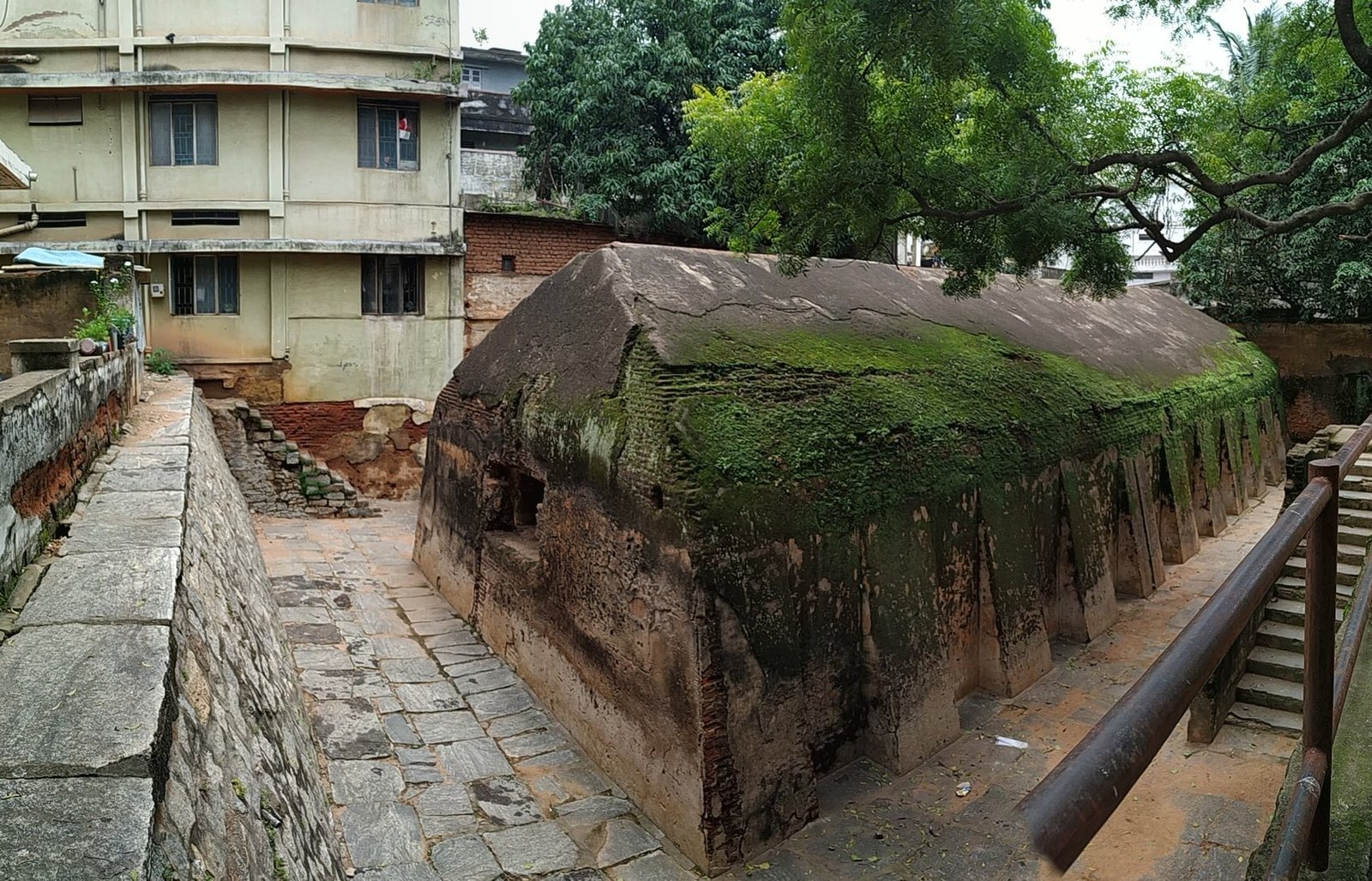
The wall of Tipu Sultan’s armory stands next to my house in Yelahanka. My home is believed to be around 500 years old and is said to have been associated with Kempe Gowda—though this remains unverified.
Living so close to such history creates a unique sense of continuity between past and present.
Student Life at Tipu Sultan Palace
During my college years, I spent a great deal of time at the Tipu Sultan’s Summer Palace.
It was a peaceful and inspiring place, perfect for studying. My college, SLN College, was within walking distance, making the palace a regular part of my daily life.
Social Impact: Land Reforms and Silk Farming
Tipu Sultan’s legacy extends beyond warfare.
Key Contributions
- Land reforms empowering farmers
- Support for communities like the Tigla community
- Introduction of silk farming in India
The Tigla community, in particular, continues to revere Tipu Sultan for enabling land ownership and economic independence.
Complex Legacy and Modern Narratives
Tipu Sultan’s legacy is often debated.
Balanced Perspective
- Celebrated as a freedom fighter
- Criticized in some narratives
- Subject to political reinterpretation
However, it is important to note that regions like Karnataka remained relatively stable until divisive political narratives began shaping public perception.
Global Recognition Through Tipu Sultan NASA Painting
The Tipu Sultan NASA painting is a powerful acknowledgment of his contributions to science and history.
It reminds us that innovation is universal and that pioneers like Tipu Sultan played a role in shaping technologies that influence even modern space exploration.
FAQs About Tipu Sultan NASA Painting
1. Is the Tipu Sultan NASA painting real?
Yes, it is displayed at NASA’s Wallops Flight Facility.
2. What does the painting represent?
It shows Tipu Sultan’s army using rockets against British forces.
3. Why is Tipu Sultan important in rocket history?
He developed iron-cased rockets that influenced modern rocketry.
4. Who highlighted this discovery?
Dr. A.P.J. Abdul Kalam brought global attention to it.
5. Where exactly is the painting located?
In the reception area of the Wallops Flight Facility in Virginia.
6. What makes Tipu Sultan’s legacy unique?
His combination of military innovation, governance, and social reforms.
Conclusion
The Tipu Sultan NASA painting is more than just a historical artifact—it is a symbol of innovation, resilience, and global recognition. From pioneering rocket technology to supporting religious institutions and empowering communities, Tipu Sultan’s legacy is vast and deeply impactful.
Through both historical records and personal experiences, it becomes clear that his story deserves not only recognition but also deeper understanding.
External Reference
Learn more: https://www.nasa.gov
Video: https://www.facebook.com/share/r/176MAwTege/
Latest articles about Mike Ghouse
A Lamp That Connects Hearts:
https://thejagotimes.com/a-lamp-that-connects-hearts-dr-mike-muhammad-ghouse-a-radiant-journey-of-love-thought-and-service/
Mr. Pluralist of America Panorama
https://www.theindianpanorama.news/profile/dr-mike-mohamed-ghouse-mr-pluralist-of-america/
Background of Dr. Mike Mohamed Ghouse
https://interfaithmarriages.org/muslim-background-of-dr-mike-mohamed-ghouse/
Dr. Ghouse is the President and founder of the Center for Pluralism and director of the World Muslim Congress. He is an Interfaith Wedding Officiant for InterfaithMarriages.org and a Muslim Wedding Officiant. He is a Muslim, Pluralist, activist, speaker, author, and social scientist. More on Google.